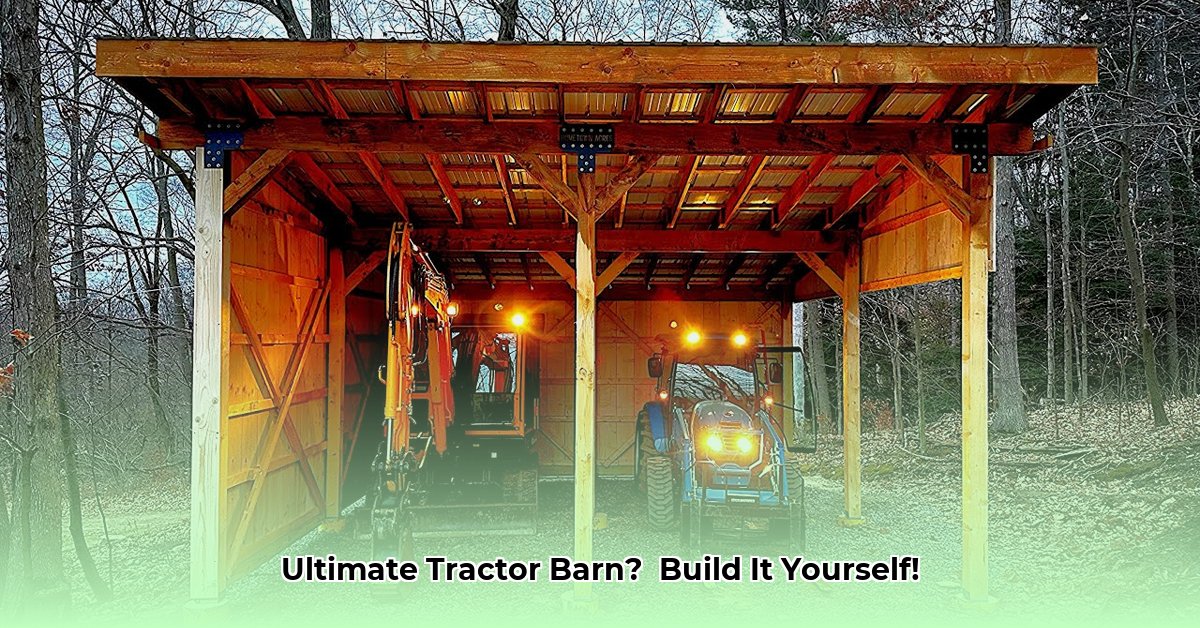
Protecting your valuable tractor requires a sturdy and reliable storage solution. A pole barn offers an excellent option, blending practicality, cost-effectiveness, and customization. This comprehensive guide navigates you through the entire process, from material selection and planning to construction and long-term maintenance. Whether you're a DIY enthusiast or prefer professional assistance, this guide empowers you to make informed decisions.
Choosing the Right Materials: Steel vs. Wood
The foundation of your pole barn rests on the material choice: steel or wood. Both offer distinct advantages and disadvantages impacting cost, durability, and maintenance.
Steel: Renowned for its exceptional durability and resistance to harsh weather, steel provides a long lifespan with minimal maintenance. While the initial investment is higher, the reduced long-term upkeep often offsets this cost. Regular inspections for rust, especially in wetter climates, are crucial. However, steel's recyclability contributes to its environmental sustainability.
Wood: Offering a more rustic aesthetic and lower initial cost, wood presents a classic option. However, it necessitates more consistent maintenance, including regular painting, treatment against rot and insect infestation, and potential repairs over time. While sustainable sourcing mitigates environmental concerns, the shorter lifespan compared to steel must be considered.
Comparative Analysis:
| Feature | Steel | Wood |
|---|---|---|
| Initial Cost | Higher | Lower |
| Maintenance | Low (periodic inspections) | High (painting, repairs, insect control) |
| Durability | Excellent, weather resistant | Good (with consistent maintenance) |
| Lifespan | Longer (decades) | Shorter (dependent on maintenance) |
| Sustainability | Moderate (recyclable) | High (if sustainably sourced) |
Risk Assessment Matrix: Careful consideration of potential risks is paramount.
| Material | Risk Factor | Probability | Impact | Mitigation |
|---|---|---|---|---|
| Steel | Corrosion | Medium | High | Protective coatings, regular inspections |
| High initial cost | Medium | Medium | Financing options, careful budgeting | |
| Wood | Rot/pest infestation | High | High | Proper treatment, regular inspection and maintenance |
| Deforestation | High | High | Sustainable lumber sourcing |
Isn't it crucial to weigh these factors against your budget, climate, and DIY skills before proceeding?
Customizing Your Tractor Pole Barn: Enhancing Functionality
Beyond basic storage, your pole barn can be tailored to your specific needs and preferences.
Door Systems: Roll-up doors provide convenient access, while sliding doors maximize space. A combination approach might be ideal depending on your access requirements and the layout of your property.
Insulation: Investing in insulation significantly impacts temperature regulation, preserving your equipment and reducing energy costs associated with heating or cooling. The level required depends heavily upon your local climate.
Ventilation: Adequate ventilation is crucial for preventing moisture buildup, protecting your equipment from rust or rot, and reducing mold risks. Strategic placement of vents ensures consistent airflow even with closed doors.
Workshop Integration: Integrating a workshop creates a centralized hub for tools and maintenance, enhancing efficiency and convenience, making your barn much more than just storage space.
These customization options influence the overall cost; prioritize those that significantly enhance functionality and align with your budget and long-term goals. Does integrating a small workshop sound appealing for your needs?
Planning and Budgeting: A Phased Approach
Meticulous planning ensures a successful outcome. Don't underestimate this phase; it's the cornerstone of the entire project.
Needs Assessment: Determine the precise dimensions necessary to comfortably accommodate your tractor and any additional equipment. Account for future growth to avoid outgrowing your barn prematurely.
Obtaining Quotes: Secure at least three detailed quotes from reputable contractors or suppliers. Ensure each quote includes the same specifications to enable equitable comparison.
Permitting: Navigating local building codes and zoning regulations is crucial. Engage with your local authorities early in the planning phase to acquire necessary permits and avoid potential delays or penalties.
Budget Creation: Compile a comprehensive budget, factoring in material costs, labor, permitting fees, and an essential contingency fund (at least 10%) for unforeseen expenses.
Thorough planning minimizes unforeseen difficulties and ensures the project stays on track, both temporally and economically.
Construction and Installation: Selecting Your Approach
Three primary approaches exist: DIY, hiring a contractor, or utilizing a prefabricated kit.
DIY: Suitable for experienced builders with ample time, the DIY route can reduce labor costs, though it demands significant time commitment and expertise.
Hiring a Contractor: Outsourcing to a contractor streamlines the process, ensuring professional execution and timely completion. Expect higher costs, but this minimizes your involvement and potential stresses.
Prefabricated Kits: Kits offer a balance – faster assembly than building from scratch, often requiring some assembly skills or professional assistance.
Regardless of the chosen path, prioritize safety throughout the process. Following detailed plans diligently prevents potential defects and consequential financial implications.
Regulatory Compliance: Adhering to Local Standards
This is paramount. Familiarize yourself with local building codes and zoning regulations early in the process. Non-compliance can lead to substantial fines and project delays. Before any construction commences, ensure all necessary permits are obtained and all regulations are met.
Maintenance: Ensuring Longevity
Regular maintenance extends your pole barn’s lifespan and minimizes long-term costs.
Steel Barns: Frequent inspections for rust are crucial, especially in humid climates. Early detection allows prompt remediation, preventing significant damage.
Wood Barns: Regular cleaning, repainting, and inspections for signs of rot or insect infestation are vital. Proactive maintenance prevents costly repairs.
Preventive maintenance helps safeguard your investment, minimizing expensive repairs and ensuring the structure’s resilience against the elements.
Sustainability: Environmentally Conscious Choices
Integrating sustainable practices enhances environmental responsibility.
Sustainable Lumber: Source wood from responsibly managed forests, supporting sustainable forestry practices.
Recycled Steel: Opt for recycled steel components, reducing the environmental impact of your project.
Energy-Efficient Insulation: Employ energy-efficient insulation to minimize your barn's heating and cooling demands.
These choices demonstrate commitment to environmental stewardship, impacting both the immediate and long-term environmental footprint.
Conclusion: Your Ideal Tractor Pole Barn
Building the perfect tractor pole barn requires careful planning and attention to detail. By weighing the available options, meticulously managing your budget, and prioritizing safety and regulatory compliance, you can create a durable, functional, and cost-effective storage solution that safeguards your investment and stands the test of time.